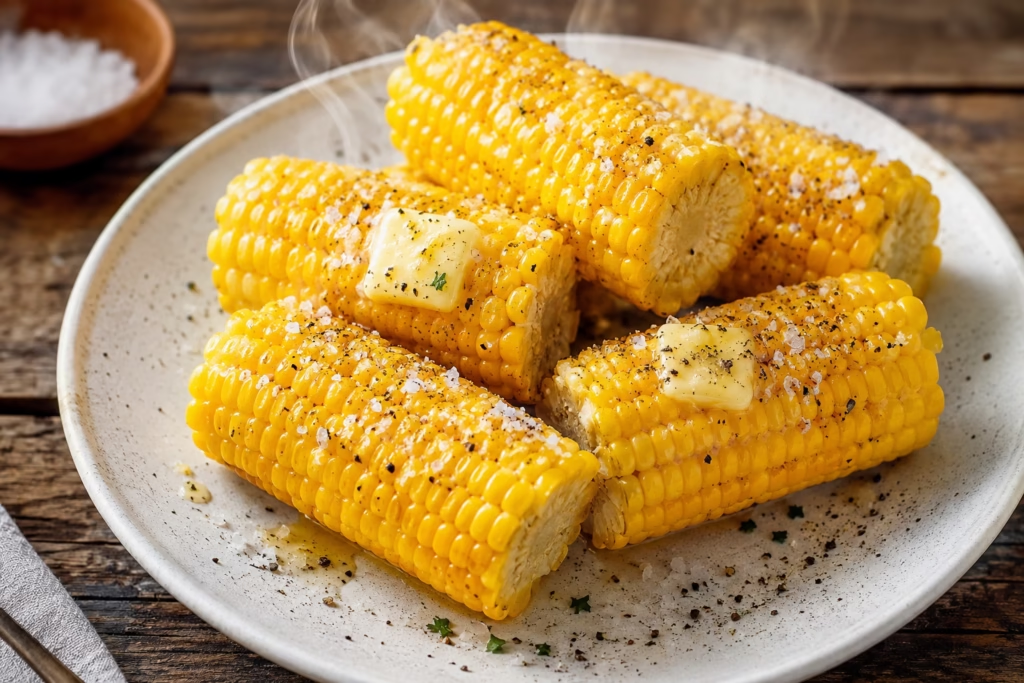
Fresh corn on the cob generally takes around 3–5 minutes in boiling water. The exact time can vary depending on how fresh the corn is, how large the ears are, and whether you’re working with fresh or frozen corn. Properly cooked corn should look bright yellow, feel tender when you bite into it, and still have a little natural crunch — not mushy. Below is an easy, step-by-step method to get it right every time.
How Long Does It Take to Boil Corn on the Cob?
Here’s a quick reference for boiling times based on the type of corn you’re working with:
| Type of Corn | Approx. Boiling Time |
|---|---|
| Fresh corn | 3–5 minutes |
| Very tender fresh corn | 2–3 minutes |
| Older/tougher corn | 5–7 minutes |
| Frozen corn on the cob | Longer; check package/cooking instructions |
Fresh corn cooks quickly because the kernels are already tender and mostly need to be heated through rather than “cooked” in the way you’d cook a raw vegetable like a potato. That’s why you shouldn’t automatically boil it for 10–15 minutes out of habit — doing so pushes the kernels past their peak texture. The longer corn sits in boiling water, the softer and less crisp it becomes, eventually turning starchy and mushy if left too long.
Keep in mind that these times are guidelines, not strict rules. Corn varies by season, variety, and freshness, so it’s worth checking a kernel before assuming it’s done.
What You Need to Boil Corn on the Cob
This is a simple recipe with very few ingredients and tools.
Ingredients
- Fresh corn on the cob
- Water
- Salt (optional)
- Butter, for serving
- Black pepper (optional)
Equipment
- Large pot
- Tongs
- Serving plate
How to Boil Corn on the Cob
1. Remove the Husks and Silk
Pull back and remove the green husk from each ear of corn, then strip away the silky threads underneath. Rinse the corn briefly under cool water to remove any remaining silk, and trim away any damaged or discolored kernels at the ends.
2. Bring a Large Pot of Water to a Boil
Fill a large pot with enough water to fully cover the corn once it’s added. Bring the water to a rolling boil over high heat before adding anything else — starting with fully boiling water helps you control the cooking time more accurately.
3. Add the Corn
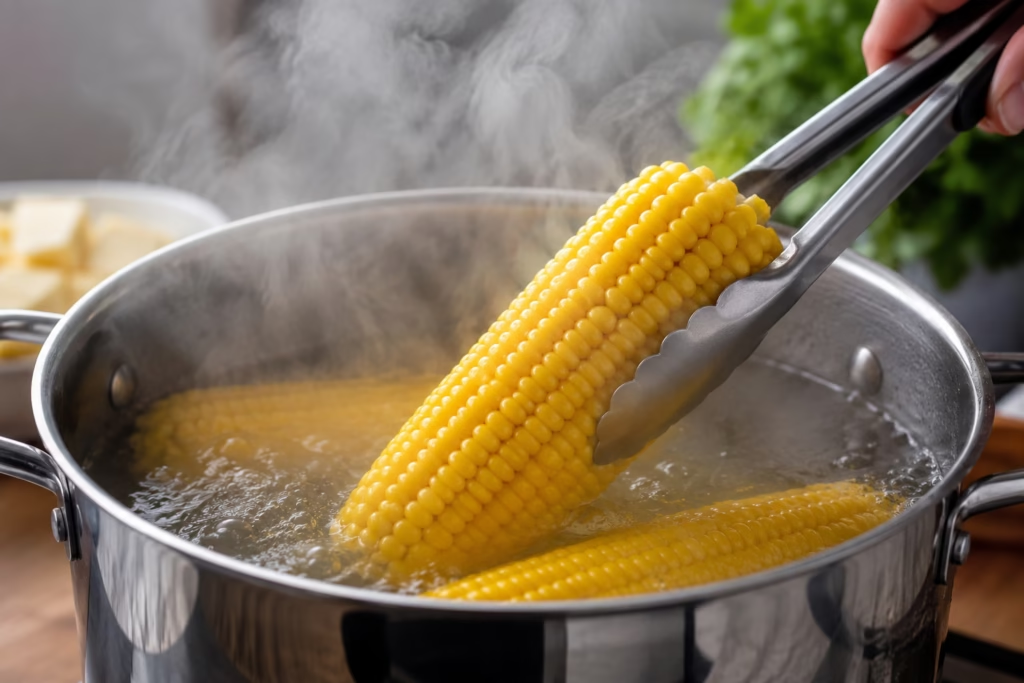
Carefully lower the ears into the boiling water using tongs. Avoid overcrowding the pot, since too many ears at once can lower the water temperature and lead to uneven cooking. Once the corn is in, let the water return to a boil.
4. Boil Until Tender
Boil the corn for about 3–5 minutes. You’ll notice a few visual cues as it cooks:
- The kernels turn a brighter yellow
- The corn becomes hot all the way through
- The kernels feel tender but still hold a slight crispness
5. Remove and Serve
Use tongs to lift the corn out of the water and let it drain briefly. Add butter, then season with salt and pepper to taste. Serve immediately while it’s hot for the best texture and flavor.
How Do You Know When Corn on the Cob Is Done?
Rather than relying purely on a timer, it helps to check the corn directly.
Signs your corn is ready:
- Kernels look bright and plump
- The corn is heated all the way through
- Kernels feel tender when bitten
- There’s still a little natural crunch
- It isn’t soft or mushy
Don’t rely only on a timer — cooking time can vary depending on the size and freshness of the corn, as well as how many ears you’re boiling at once. When in doubt, pull one ear out and taste a kernel.
Should You Put Corn in Cold Water or Boiling Water?
Both approaches exist, and each has trade-offs.
Starting With Boiling Water
- Faster overall cooking process
- Easier to control and predict cooking time
- Works especially well for fresh, tender corn
Starting With Cold Water
- A different cooking approach where the corn heats up gradually with the water
- Takes longer overall since you’re waiting for the water to reach a boil with the corn already in it
- Can work well depending on the recipe or personal preference
For most home cooks looking for consistent, tender-crisp corn, starting with already-boiling water is the simpler and more reliable method.
Do You Need to Add Salt to the Water?
No, salt isn’t required for cooking the corn. It’s entirely optional.
Adding salt to the boiling water can lightly season the corn as it cooks, but it isn’t necessary — most of the flavor typically comes from butter and seasoning added after boiling. If you prefer a saltier bite throughout the kernel, adding a small amount to the water is fine, but skipping it won’t affect how well the corn cooks.
Should You Add Sugar to the Water?
Generally, no. Fresh, sweet corn usually doesn’t need any added sugar — modern corn varieties are bred to be naturally sweet.
If your corn isn’t particularly sweet or flavorful, it’s usually better to focus on seasoning after cooking rather than adding sugar to the pot. Keeping the boiling method simple, without extra additives, is typically the better approach.
How to Keep Boiled Corn Warm
If you’re not serving the corn immediately, a few tips help maintain good texture:
- Keep the cooked corn loosely covered for a short period
- Avoid leaving it sitting in very hot water for an extended time, as this can continue cooking it and make it mushy
- Serve as soon as possible for the best flavor and texture
What to Put on Boiled Corn on the Cob
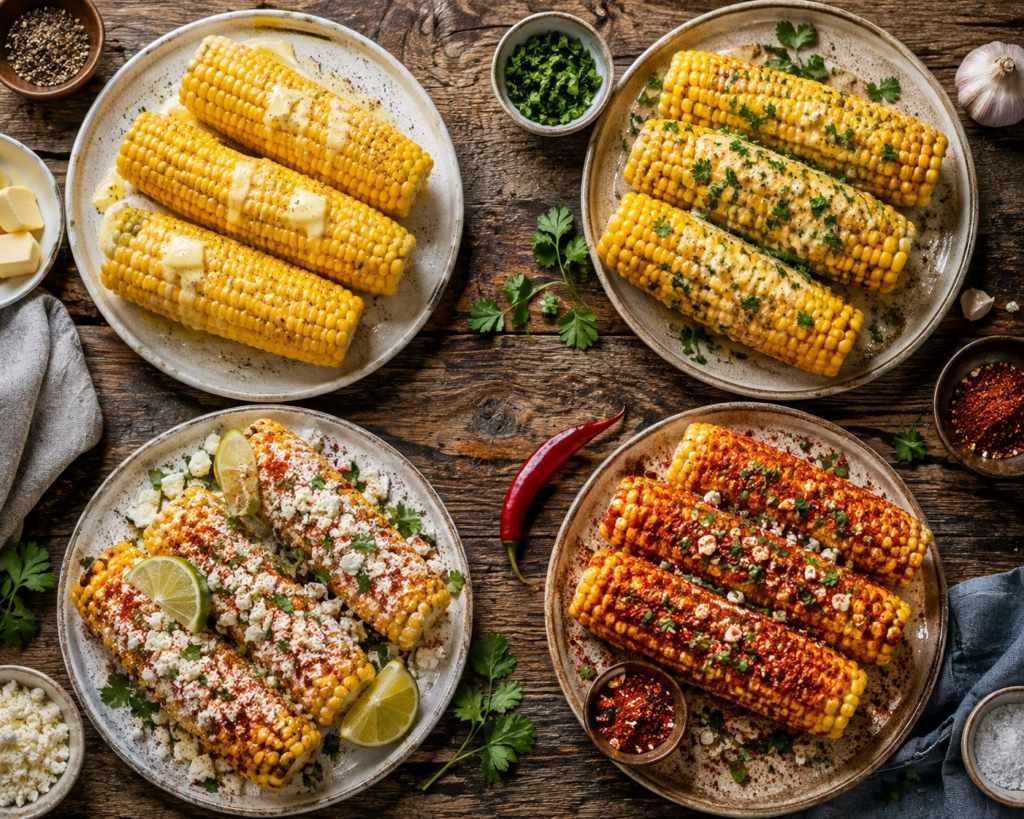
Once your corn is boiled, there are plenty of ways to season it.
Classic Butter and Salt
- Butter
- Sea salt
- Black pepper
Garlic Butter Corn
- Butter
- Garlic
- Parsley
- Black pepper
Mexican-Style Corn
- Mayonnaise or crema
- Lime
- Cotija or feta-style cheese
- Chili powder
- Cilantro
Spicy Corn
- Butter
- Chili flakes
- Smoked paprika
- Lime juice
Can You Boil Corn on the Cob Without Husking It?
Yes, it’s possible, depending on the method you’re using. However, for traditional boiling, removing the husk and silk beforehand makes the corn easier to handle, season, and eat once it’s cooked. Keeping the husk on can be useful for other cooking methods, like grilling, where the husk helps protect the kernels from direct heat — but for boiling, husking first is the more common and practical approach.
Can You Boil Frozen Corn on the Cob?
Yes, but frozen corn requires a different cooking time than fresh corn — typically longer, since it’s starting from a frozen state rather than fresh and raw. Whenever possible, follow the cooking instructions on the package, as timing can vary between brands and cuts. Avoid assuming frozen corn will be done in the same 3–5 minutes as fresh corn, and always check for tenderness before serving.
How Long to Boil Corn on the Cob for Different Textures?
For Crisp-Tender Corn
Use a shorter cooking time, closer to 2–3 minutes, and remove the corn as soon as the kernels turn bright and heat through.
For Softer Corn
Cook slightly longer, checking frequently to avoid overshooting the texture you want.
For Very Tender Corn
Longer cooking can soften the kernels further, but it may also reduce the fresh, juicy snap that makes corn on the cob enjoyable. If you prefer very soft corn, cook a bit longer but check often.
Common Mistakes When Boiling Corn
Mistake 1: Overcooking the Corn
Leaving corn in boiling water too long results in a soft, mushy texture and can dull its natural sweetness.
Mistake 2: Using a Pot That’s Too Small
A crowded pot leads to uneven cooking, since some ears may not be fully submerged or the water temperature drops too much when the corn is added.
Mistake 3: Not Checking the Corn
Blindly following a timer without checking a kernel can lead to undercooked or overcooked results, especially since corn varies in size and freshness.
Mistake 4: Leaving Corn in Hot Water Too Long
Even after the heat is off, corn left sitting in hot water continues to cook and can lose its ideal texture.
Mistake 5: Using Old Corn Without Adjusting Expectations
Older corn may not have the same tenderness or sweetness as fresh summer corn, and might need a slightly longer cooking time to soften properly.
How to Store Leftover Boiled Corn
- Let the corn cool to room temperature before storing
- Refrigerate in an airtight container
- Use within a few days for the best quality and flavor
- You can also cut the kernels off the cob and use them in other dishes like salads, soups, or salsas
How to Reheat Corn on the Cob
Microwave
The quickest option — wrap the corn in a damp paper towel and microwave in short bursts to warm it through without drying it out.
Stovetop
Briefly warm the corn by dipping it in hot (not boiling) water for a minute or two.
Oven
Useful when reheating several ears at once. Wrap the corn in foil to help it retain moisture and avoid drying out the kernels while it reheats.
What to Serve With Corn on the Cob
Corn on the cob pairs well with a wide range of dishes, including:
- Burgers
- Grilled chicken
- Steak
- BBQ ribs
- Potato salad
- Pasta salad
- Coleslaw
- Grilled vegetables
- Tacos
Frequently Asked Questions
How long should I boil corn on the cob?
Fresh corn typically takes about 3–5 minutes in boiling water, depending on its size and freshness.
Is 5 minutes enough to boil corn?
Yes, for most fresh corn, 5 minutes is enough to heat it through while keeping the kernels tender-crisp.
Can you boil corn for too long?
Yes. Boiling corn for too long makes the kernels soft, mushy, and less flavorful compared to a shorter cook time.
Do you put corn in boiling water or cold water?
Starting with boiling water is generally faster and gives you more control over the cooking time, though starting with cold water is also possible depending on the recipe.
Should I salt the water when boiling corn?
Salting the water is optional. It can add a light seasoning to the corn, but it isn’t necessary for proper cooking.
How do I know when boiled corn is done?
Look for bright, plump kernels that are tender when bitten but still have a slight crunch and make sure the corn is heated all the way through.
Can I boil frozen corn on the cob?
Yes, but it usually needs more time than fresh corn. Check the package instructions and test for tenderness before serving.
Can I boil corn without removing the husk?
It’s possible, but removing the husk and silk first makes boiling easier and results in corn that’s simpler to season and eat.
What is the best way to season boiled corn?
Classic butter and salt is the simplest option, but garlic butter, Mexican-style toppings with lime and cheese, or a spicy chili-lime butter are all popular variations.
Final Tips for Perfect Boiled Corn
- Start with fresh corn when possible
- Bring the water to a full boil before adding the corn
- Don’t overcook — shorter is usually better
- Check tenderness by tasting rather than relying only on the clock
- Serve immediately with butter and your favorite seasoning