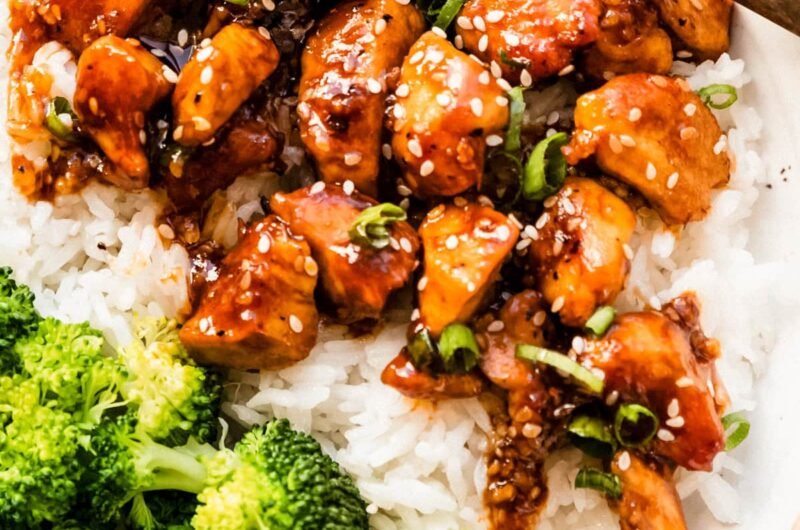
Healthy Sesame Chicken pairs browned chicken breast with a glossy sauce made from coconut aminos, honey, sesame oil, garlic, ginger, rice vinegar, and fresh lime. It comes together in 35 minutes and can be served with green beans and rice for a complete meal.
Jump to Recipe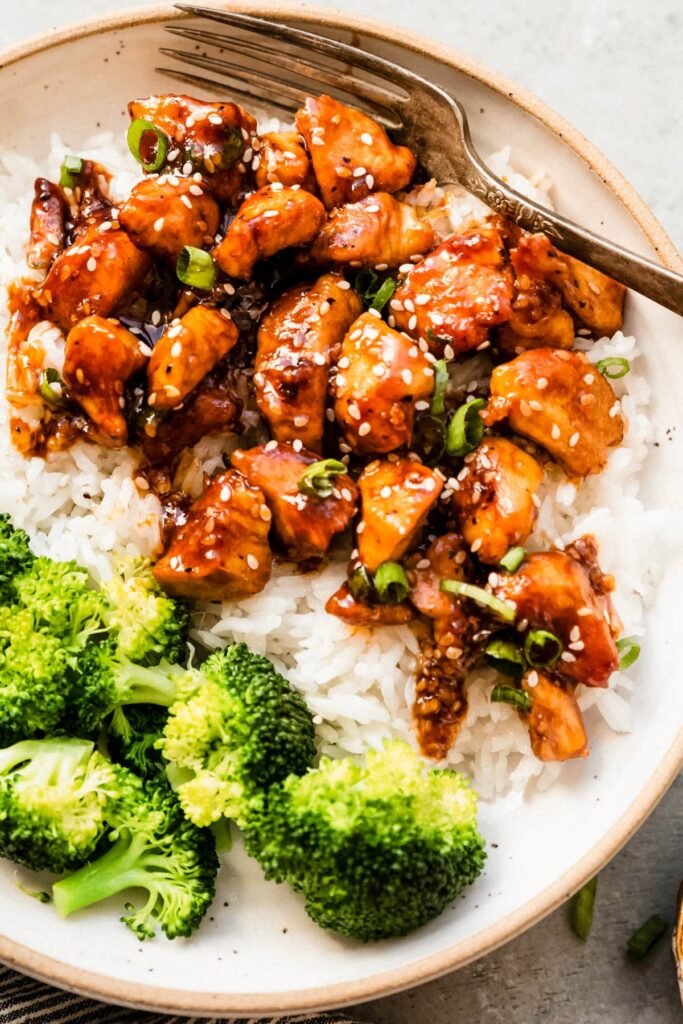
The sauce is thickened through brief reduction rather than flour or cornstarch. This keeps the core chicken recipe naturally gluten-free when the coconut aminos and all packaged ingredients are certified gluten-free.
Recipe at a Glance
| Detail | Information |
|---|---|
| Prep Time | 15 minutes |
| Cook Time | 20 minutes |
| Total Time | 35 minutes |
| Servings | 2 people |
| Calories | 584 kcal |
| Course | Main Course |
| Cuisine | American |
| Cooking Method | Stovetop |
The supplied nutrition information is based on a serving containing 6 ounces of cooked chicken, 1 cup of green beans, and ½ cup of cooked white rice.
Why You’ll Love This Recipe
- Ready in 35 minutes: The chicken and sauce cook quickly on the stovetop.
- High in protein: Each supplied serving contains 53 grams of protein.
- No complicated coating: The chicken is browned directly in avocado oil without breading.
- One-pan chicken and sauce: The same pan is used to brown the chicken and reduce the sauce.
- Flexible serving options: Serve it with rice, quinoa, cauliflower rice, green beans, broccoli, or another vegetable.
- Balanced sweet and savory sauce: Honey adds sweetness, while coconut aminos, rice vinegar, sesame oil, garlic, ginger, and lime create savory, tangy layers.
Ingredients You’ll Need
For the Chicken
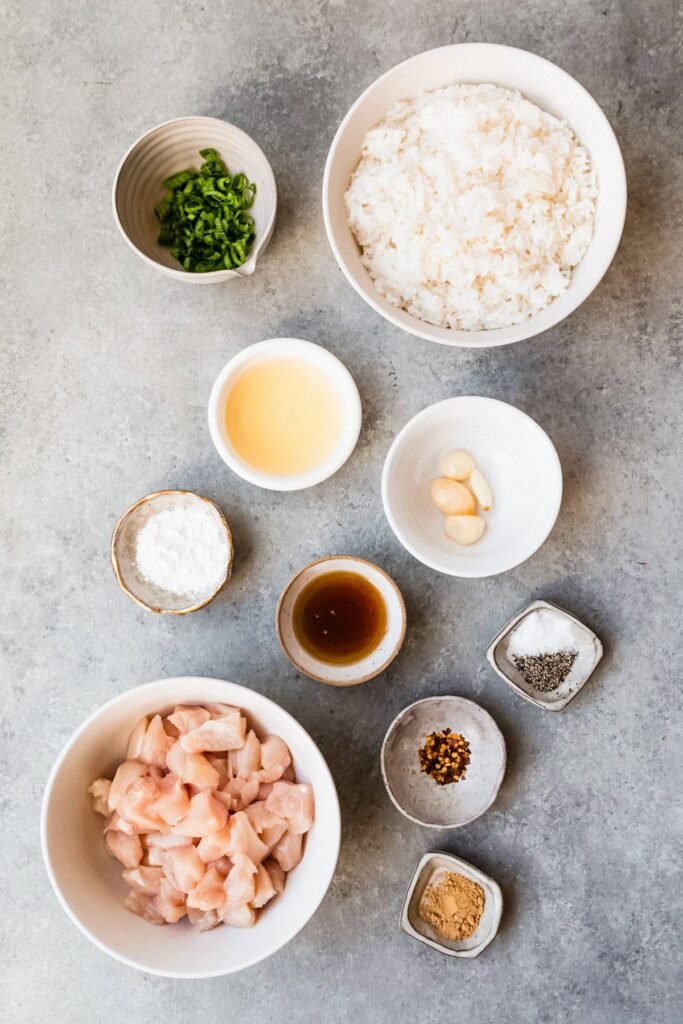
- 1 pound boneless, skinless chicken breasts, cut into 1-inch cubes
- ½ tablespoon avocado oil
Cutting the chicken into similarly sized cubes helps the pieces cook at approximately the same rate.
For the Sesame Sauce
- ¼ cup coconut aminos
- 1 tablespoon honey
- 1 tablespoon toasted sesame oil
- ½ teaspoon ground ginger
- 1 tablespoon minced garlic
- 2 tablespoons rice vinegar
- ¼ teaspoon black pepper
- 1 teaspoon lime zest
- 1 tablespoon lime juice
- 1 tablespoon sesame seeds, for garnish
The sauce contains no added thickener. It develops a more concentrated, lightly thickened consistency as it bubbles in the hot pan.
Watch it closely during this stage because the honey can cause the sauce to darken or burn if cooked for too long.
Optional for Serving
- 2 cups cooked green beans
- 1 cup cooked white rice
Divided between two people, the supplied serving is approximately:
- 6 ounces cooked chicken
- 1 cup cooked green beans
- ½ cup cooked white rice
Ingredient Substitutions
Chicken Breast
Boneless chicken thighs or chicken tenders can replace the chicken breasts.
Chicken thighs will generally have a richer flavor and slightly different texture. Regardless of the cut, cook the chicken completely before returning it to the sauce.
Avocado Oil
Olive oil or refined coconut oil can replace avocado oil. Coconut oil may contribute a subtle flavor depending on the product used.
Coconut Aminos
Low-sodium soy sauce or liquid aminos can replace coconut aminos, but these options can change the salt level and overall flavor.
Regular soy sauce is not gluten-free. Use a certified gluten-free soy sauce or tamari if gluten avoidance is required, and verify all other packaged ingredients.
Honey
Maple syrup can replace honey. It may give the sauce a slightly different sweetness and flavor.
Ground Ginger
The original sauce uses ½ teaspoon ground ginger. If you prefer fresh ginger, use approximately 1 teaspoon finely grated fresh ginger.
Rice Vinegar
If rice vinegar is unavailable, it can be omitted and replaced with a small additional splash of coconut aminos. This creates a less tangy and potentially saltier sauce, so adjust cautiously.
Green Beans
Replace the green beans with broccoli or another preferred vegetable.
White Rice
Serve the chicken with brown rice, quinoa, another cooked grain, or cauliflower rice. Cauliflower rice can be used when you want a lower-carbohydrate or paleo-style serving option.
How to Make Healthy Sesame Chicken
1. Prepare the Ingredients
Cut the chicken breasts into approximately 1-inch cubes.
If serving the chicken with rice and green beans, begin cooking them according to their separate package or recipe directions.
Measure the sauce ingredients before cooking the chicken. The sauce thickens quickly once it reaches the hot pan, so having everything ready makes the final steps easier to manage.
2. Heat the Oil
Add the avocado oil to a large pan and heat it for approximately 1 minute.
The pan should be hot enough to help the chicken brown when added, but the oil should not be smoking.
3. Brown the Chicken
Add the cubed chicken to the pan. Sauté over medium-high heat for approximately 10–12 minutes, turning the pieces so they brown on multiple sides.
Avoid placing the chicken in a crowded pile. Giving the pieces contact with the hot pan helps them brown instead of steaming.
4. Whisk the Sesame Sauce
While the chicken cooks, whisk together:
- Coconut aminos
- Honey
- Toasted sesame oil
- Ground ginger
- Minced garlic
- Rice vinegar
- Black pepper
- Lime zest
- Lime juice
Whisk until the honey is incorporated and the mixture appears uniform.
5. Remove the Cooked Chicken
Once the chicken is completely cooked, transfer it to a clean plate or bowl and set it aside.
Do not place cooked chicken on a dish that previously held it raw unless that dish has been thoroughly washed.
6. Reduce the Sauce
Pour the sauce into the hot pan without cleaning it first. The browned bits remaining in the pan can become part of the sauce.
Cook over medium-high heat for approximately 3–5 minutes, stirring consistently.
The sauce should begin bubbling and become more concentrated. It can thicken quickly, so do not leave the pan unattended.
7. Return the Chicken to the Pan
Add the cooked chicken back to the thickened sauce.
Stir until every piece is evenly coated and warmed through. Remove the pan from the heat before the sauce reduces too far or begins sticking.
8. Garnish and Serve
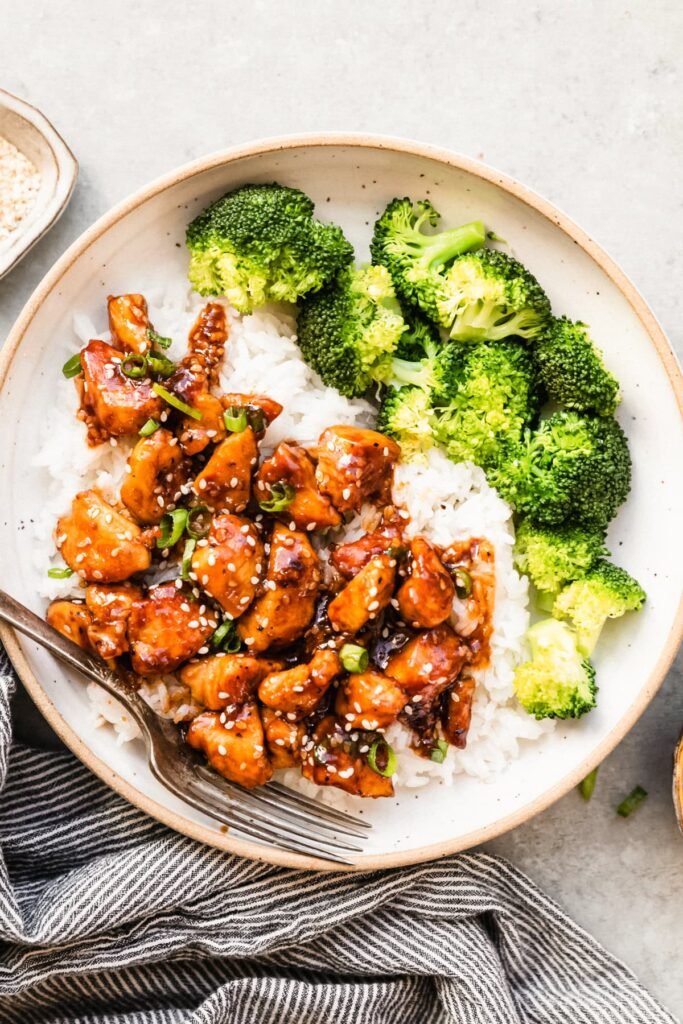
Divide the rice and cooked green beans between two plates or bowls. Spoon the sesame chicken over the top and finish with sesame seeds.
Tips for the Best Sesame Chicken
Prepare everything before turning on the stove. The cooking process moves quickly, particularly after the sauce enters the hot pan.
Cut the chicken evenly. Consistent 1-inch cubes cook more evenly than a mixture of large and small pieces.
Use a sufficiently large pan. Overcrowding traps moisture and makes browning more difficult.
Use precooked rice when convenient. It shortens the active preparation required at mealtime.
Whisk the sauce while the chicken cooks. This uses the cooking time efficiently and ensures the sauce is ready as soon as the chicken leaves the pan.
Stir the sauce continuously. Honey and coconut aminos can reduce quickly over medium-high heat.
Remove the pan from the heat once the chicken is coated. Continuing to cook the finished sauce can make it overly concentrated or cause it to burn.
Common Mistakes to Avoid
Crowding the Chicken
Chicken releases moisture as it cooks. If the pan is overcrowded, the pieces may steam instead of developing browned surfaces.
Use a large pan and keep the chicken in a relatively even layer.
Cutting Uneven Pieces
Small cubes can overcook while larger ones remain undercooked. Cut the chicken into similar 1-inch pieces before cooking.
Leaving the Sauce Unattended
The sauce contains honey and reduces rapidly. Stir it consistently and monitor its texture throughout the 3–5-minute cooking period.
Reducing the Sauce Too Far
A sauce that remains in the pan too long can become excessively sticky, salty, or dark. Return the chicken once the sauce begins bubbling and lightly thickening.
Using Regular Soy Sauce Without Adjusting
Soy sauce can taste saltier than coconut aminos. Choose a low-sodium variety and recognize that it may change the sauce’s flavor and sodium content.
Assuming Every Soy Sauce Is Gluten-Free
Regular soy sauce commonly contains wheat. Use a certified gluten-free substitute if gluten avoidance is necessary.
Troubleshooting
Why Isn’t My Chicken Browning?
The pan may not be hot enough, or the chicken may be crowded. Heat the oil before adding the chicken and arrange the pieces in an even layer.
Excess surface moisture can also limit browning. Pat the chicken dry before cutting if it is noticeably wet.
Why Is My Sesame Sauce Too Thin?
The sauce may need another brief period of bubbling and stirring. It thickens through reduction, so allow it to cook while monitoring it closely.
Remember that it will coat the chicken rather than becoming a heavy cornstarch-thickened glaze.
Why Is My Sauce Too Thick?
The sauce may have reduced for too long. Remove it from the heat promptly once it has thickened enough to coat the chicken.
Because no specific thinning instruction was supplied, add any extra liquid cautiously if you choose to adjust it.
Why Does My Sauce Taste Too Salty?
A soy sauce or liquid aminos substitution may be saltier than coconut aminos. Use a low-sodium product and avoid adding extra salt before tasting the completed dish.
Why Did My Sauce Burn?
The heat may have been too high, the sauce may not have been stirred consistently, or it may have cooked longer than needed. Honey makes the mixture more vulnerable to scorching as it reduces.
Recipe Variations
Make a Broccoli Sesame Chicken Bowl
Replace the green beans with cooked broccoli. Serve the broccoli, sesame chicken, and rice together in bowls.
Use Cauliflower Rice
Serve the chicken over cauliflower rice instead of white rice for a lower-carbohydrate serving variation.
The supplied nutrition values will no longer apply after this change.
Serve It With Quinoa
Quinoa can replace white rice for a different grain-based meal. Prepare it separately and divide it between the two servings.
Use Chicken Thighs
Replace the chicken breasts with boneless chicken thighs. Cut them into similar 1-inch pieces and cook them thoroughly before adding them to the sauce.
Increase the Fresh Ginger Flavor
Replace the ½ teaspoon ground ginger with approximately 1 teaspoon freshly grated ginger. Fresh ginger will give the sauce a brighter and sharper ginger flavor.
What to Serve With Sesame Chicken
The supplied green beans and white rice turn the chicken into a complete meal.
Other suitable serving options include:
- Steamed broccoli
- Cauliflower rice
- Brown rice
- Quinoa
- Mixed cooked vegetables
- Another preferred cooked grain
Keep in mind that changing the rice, grain, or vegetables also changes the nutrition of the complete serving.
How to Store Sesame Chicken
Transfer the cooled sesame chicken to an airtight container and refrigerate it for up to 4 days.
The chicken, rice, and vegetables can be stored in separate containers or divided into complete individual meals.
Separate storage can make reheating easier because rice, vegetables, and chicken may warm at different rates.
Can You Freeze Sesame Chicken?
Freezing was not tested in the supplied recipe information. Although the source material suggests that it may work, it should not be presented as a confirmed result.
If you choose to freeze it, use a freezer-safe airtight container and understand that the sauce and chicken texture may change after thawing.
How to Reheat Sesame Chicken
Stovetop
Place the chicken and sauce in a pan and warm over moderate heat. Stir regularly so the sauce heats evenly without catching on the bottom.
Microwave
Place an individual serving in a microwave-safe container and heat in short intervals. Stir or rearrange the food between intervals until heated throughout.
If rice and vegetables are stored separately, reheat each component according to its texture and portion size.
Healthy Sesame Chicken
Course: Main CourseCuisine: American2
servings15
minutes20
minutes584
kcal35
minutesTender browned chicken coated in a quick sesame sauce made with coconut aminos, honey, toasted sesame oil, garlic, ginger, rice vinegar, and fresh lime.
Ingredients
For the Chicken
1 pound boneless, skinless chicken breasts, cut into 1-inch cubes
½ tablespoon avocado oil
For the Sauce
¼ cup coconut aminos
1 tablespoon honey
1 tablespoon toasted sesame oil
½ teaspoon ground ginger
1 tablespoon minced garlic
2 tablespoons rice vinegar
¼ teaspoon black pepper
1 teaspoon lime zest
1 tablespoon lime juice
1 tablespoon sesame seeds, for garnish
Optional for Serving
2 cups cooked green beans
1 cup cooked white rice
Instructions
- Cut the chicken breasts into approximately 1-inch cubes.
- If serving rice and green beans, cook them according to their separate directions.
- Add the avocado oil to a large pan and heat for approximately 1 minute.
- Add the chicken and sauté over medium-high heat for 10–12 minutes, turning the pieces so they brown on all sides.
- While the chicken cooks, whisk together the coconut aminos, honey, toasted sesame oil, ground ginger, garlic, rice vinegar, black pepper, lime zest, and lime juice.
- Once the chicken is completely cooked, transfer it to a clean plate or bowl.
- Pour the prepared sauce into the same hot pan.
- Cook over medium-high heat for 3–5 minutes, stirring consistently, until it begins bubbling and thickening.
- Watch the sauce carefully because it can thicken and burn quickly.
- Return the cooked chicken to the pan and stir until every piece is coated in sauce.
- Serve with the cooked white rice and green beans, if using.
- Garnish with sesame seeds.
Notes
- Prepare and measure the ingredients before cooking because the sauce reduces quickly.
- Cut the chicken into evenly sized pieces for consistent cooking.
- Precooked rice can reduce preparation time.
- Chicken thighs or tenders can replace chicken breasts.
- Olive oil or refined coconut oil can replace avocado oil.
- Low-sodium soy sauce can replace coconut aminos, but it changes the salt level and may make the recipe unsuitable for a gluten-free diet.
- One teaspoon of freshly grated ginger can replace ½ teaspoon ground ginger.
- Maple syrup can replace honey.
- Green beans can be replaced with broccoli or another vegetable.
- Store leftovers in the refrigerator for up to 4 days.
- Freezing was not tested, so the result cannot be guaranteed.
Nutrition Per Serving
The supplied serving includes 6 ounces of cooked chicken, 1 cup of green beans, and ½ cup of cooked white rice.
| Nutrient | Amount |
|---|---|
| Calories | 584 kcal |
| Carbohydrates | 47 g |
| Protein | 53 g |
| Fat | 19 g |
| Saturated Fat | 3 g |
| Polyunsaturated Fat | 5 g |
| Monounsaturated Fat | 8 g |
| Trans Fat | 0.03 g |
| Cholesterol | 145 mg |
| Sodium | 950 mg |
| Potassium | 1,146 mg |
| Fiber | 4 g |
| Sugar | 12 g |
| Vitamin A | 828 IU |
| Vitamin C | 17 mg |
| Calcium | 108 mg |
| Iron | 3 mg |
Nutritional Information Disclaimer: Nutrition information is an estimate and may vary depending on the brands, ingredients, serving sizes, vegetables, grains, and substitutions used.
Is This Sesame Chicken Gluten-Free?
It can be gluten-free when prepared with coconut aminos and other certified gluten-free ingredients.
If replacing coconut aminos with soy sauce, use certified gluten-free soy sauce or tamari. Regular soy sauce commonly contains wheat.
Is Healthy Sesame Chicken Low in Carbohydrates?
The complete supplied serving contains 47 grams of carbohydrates, including ½ cup of white rice and 1 cup of green beans.
Serving the chicken with cauliflower rice instead of white rice will reduce the carbohydrate content, but the supplied nutrition values will no longer apply.
Can I Use Chicken Thighs?
Yes. Boneless chicken thighs can replace chicken breasts. Cut them into similarly sized pieces and cook them thoroughly before adding them to the sauce.
Can I Replace Coconut Aminos With Soy Sauce?
Yes. Low-sodium soy sauce can be used, but it may produce a saltier flavor. Use a certified gluten-free option if needed.
Does This Recipe Need Cornstarch?
No. The supplied recipe does not use cornstarch or another added thickener. The sauce thickens as it bubbles and reduces in the hot pan.
Can I Use Maple Syrup Instead of Honey?
Yes. Maple syrup can replace honey, although it may slightly change the flavor and consistency of the sauce.
Can I Make the Rice Ahead?
Yes. Precooked rice can save time. Store it safely and reheat it properly before serving.
What Can I Use Instead of Green Beans?
Broccoli or another preferred cooked vegetable can replace the green beans.
Can I Freeze the Leftovers?
Freezing was not tested in the supplied recipe information. It may work, but the result and texture cannot be guaranteed.